
Last Updated on September 7, 2026
Estimated reading time: 9 minutes
By Jim Ferri
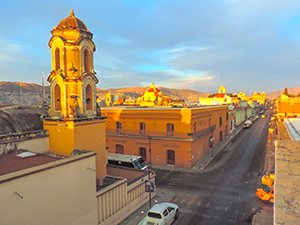
Mexico’s Oaxaca is a kaleidoscope of colorful colonial buildings as well as a wonderland of markets and galleries. Here artists and artisans preserve indigenous traditions, and chefs preserve their traditional cooking. Little restaurants poke up seemingly everywhere you look.
It’s a beautiful place unlike any other city in Mexico, and almost magical. In fact, I’ve never met anyone who’s visited and hasn’t fallen in love with it…it’s that easy to do.
Table of contents
Top Place to Visit: the Colorful Historical Center
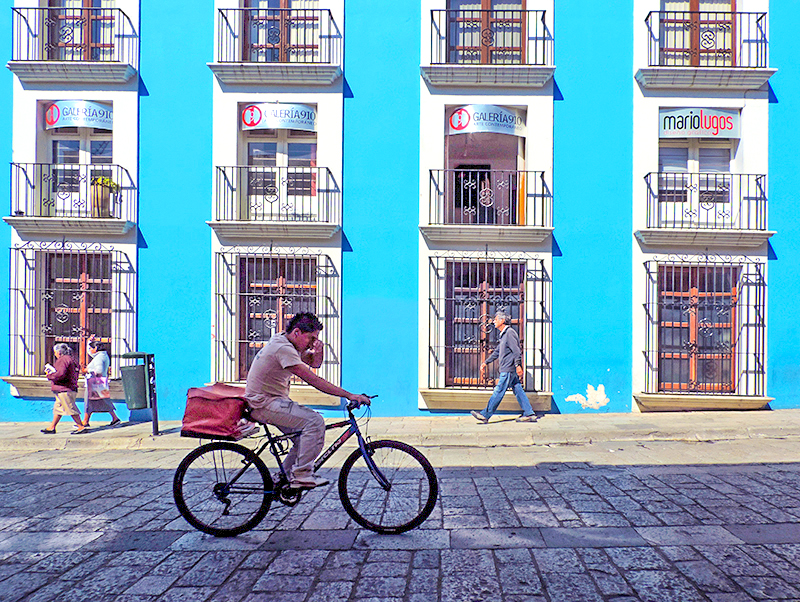
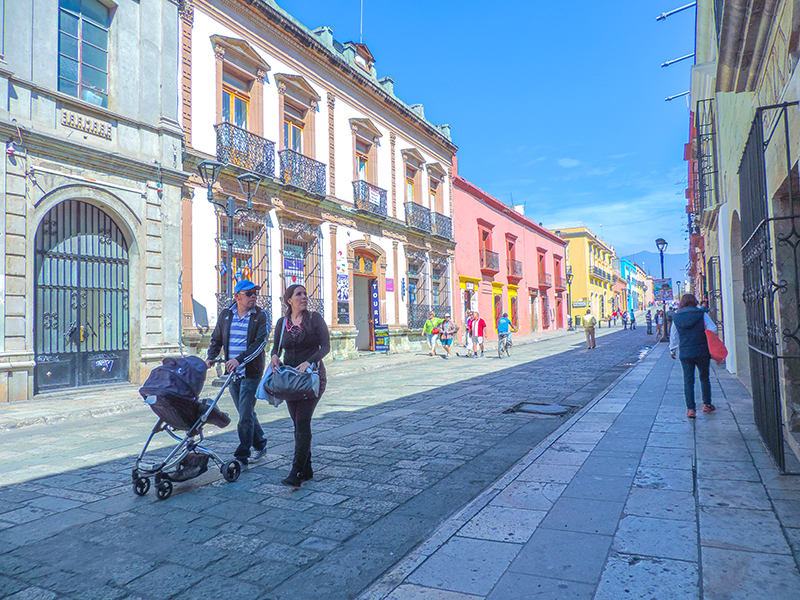
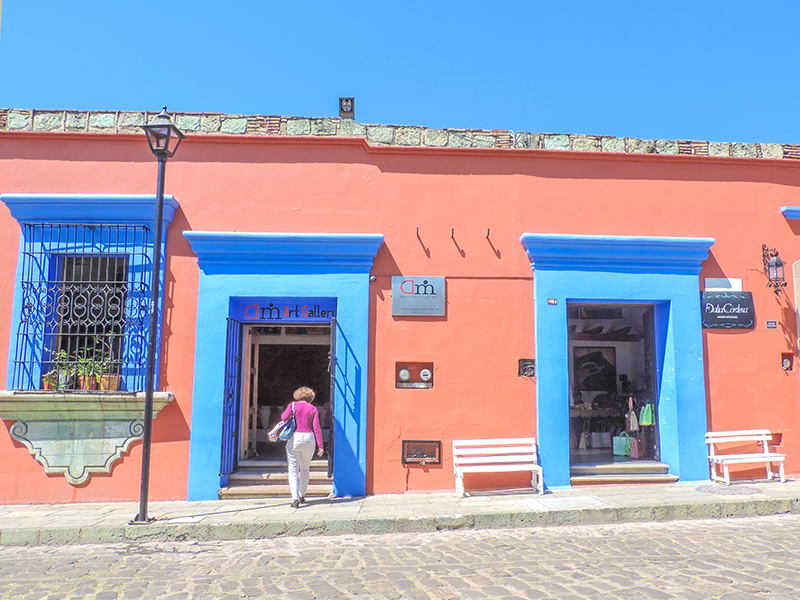
If there’s one word that best describes Oaxaca, it’s “color.” Like few other places on earth, it assaults your senses in the brightly colored façades of buildings all over. You see it in the city and even in its dingy outskirts.
But it’s in the charming, well-preserved Historical Center, with its core of Spanish Colonial buildings, where it reaches its zenith. There, no two buildings appear the same. Oaxaca’s Historical Center is a UNESCO World Heritage site.
Often you’ll see a bright yellow building next to a blue one, then a green one, then a white one. The city is a riot of colors that has become part of the local culture. Ask for directions, and you’re often told to walk until you see the blue building with white trim or the yellow building next to the green one.
The colorful center has retained its charm through strict preservation of its old buildings. Behind many of these façades, ranging from old homes to convents, you’ll find spaces now serving other purposes. It’s not unusual to walk into an old house and find a dress shop, an art gallery, or an office. And there’s often a restaurant or café tucked away in the garden.
A Don’t Miss in Oaxaca – The Zocalo
As in most of Mexico, Oaxaca’s pedestrian-only Zocalo, with its impressive Cathedral, is the center of the old city. Arcaded buildings surround the Plaza de Armas, their portals filled with restaurants and the occasional shop. It’s a large pedestrian zone and, as in most of Mexico, quite crowded. If you have only a short time for a visit, head here first.
We made a quick visit to the Cathedral and then wandered across the Zocalo to the busy streets beyond in search of several markets. Originally, we were going to visit the Central de Abastos, the large market on the edge of town, but our hotel advised against it, saying it could be unsafe, and suggested alternatives.
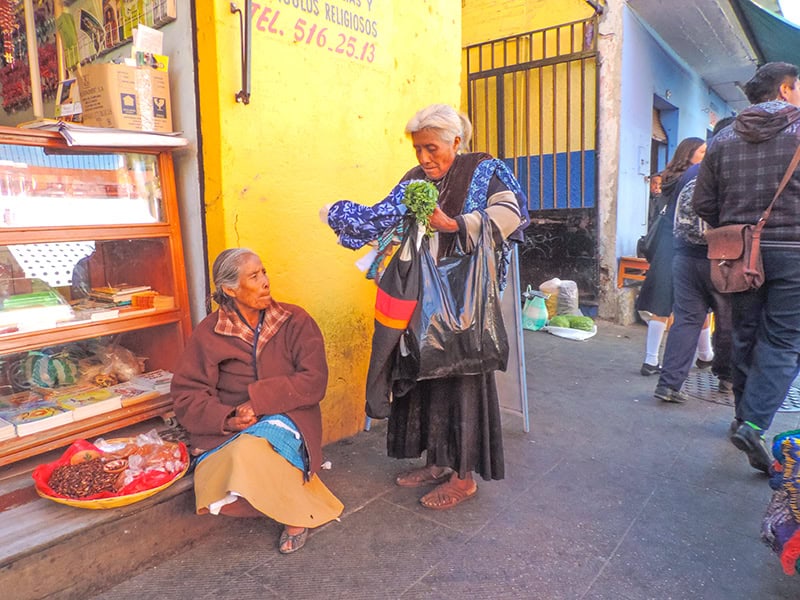
We soon found the artisan market, which didn’t amount to much. But we also found a colorful, down-to-earth slice of Oaxacan life in the vegetable and meat market. If you’re looking for street vendors, you’ll find most of them on the periphery of the Zocalo.
Special Places in Oaxaca – the City’s Museums
You’ll find many of the city’s museums, such as the Museum of Contemporary Art, scattered through 16th-17th century buildings in the historic area. Most are an easy walk from the Zocalo area.
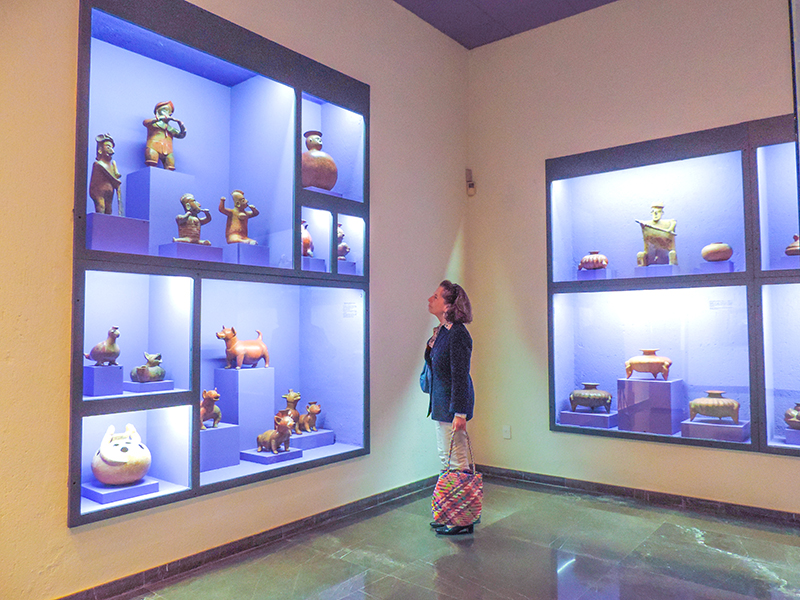
If you have only a day or two in Oaxaca, the one don’t-miss museum is the Museo Rufino Tamayo, which contains a treasure trove of pre-Columbian art. It’s a relatively small museum where the “wow” factor comes not only from the incredible artifacts themselves but also from the clean, colorful layout of the galleries.
Tamayo, a renowned Mexican artist, amassed the collection to stop the pieces from falling into the hands of thieves and illicit traders. Upon his death, he left his collection to the State of Oaxaca.
Oaxaca’s Famous Cuisine
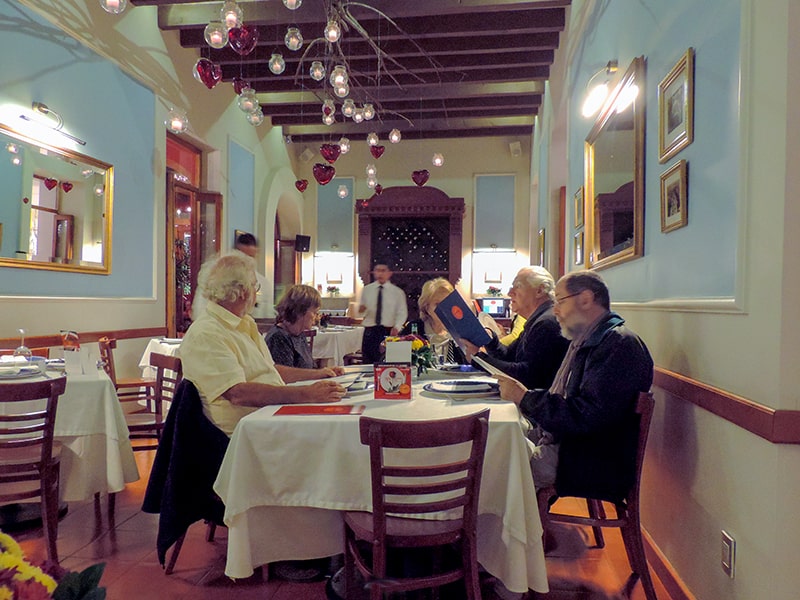
One of Oaxaca’s most famous aspects is its complex and sophisticated cuisine, and the city abounds with places to eat. While many restaurants and cafés are tucked into the patios and gardens of old mansions, you’ll also find plenty of street food.
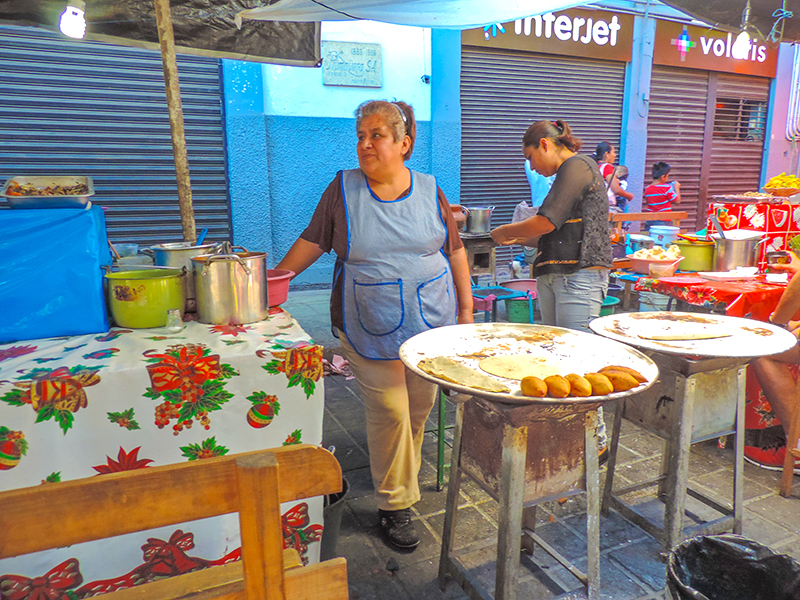
On a street one Sunday morning, while waiting for the Rufeo Tamiyo Museum to open, we met a woman making fresh tortillas on a small sidewalk stove. She was offering three types—chicharrón (fried pork skin), another guiso (stew of chicken), and a third, chile poblanos. The poblanos were cut-up chili in a cream sauce atop refried beans and a bit of corn. It was all prepared the night before, she told us, so she would be ready to cook fresh sidewalk tortillas for morning church-goers.
Oaxaca is also famous for its moles, the spicy, slow-cooked sauces popular throughout Mexico. In fact, the best moles come from Oaxaca, and the city has seven different kinds, ranging from Mole Verde, made with fresh herbs, to the 30-ingredient Mole Negro.
One excellent, upscale restaurant is the Catedral Restaurant in the historic area. If you want a splurge-worthy meal, it’s likely the place that will satisfy your appetite.
Oaxacan Churches
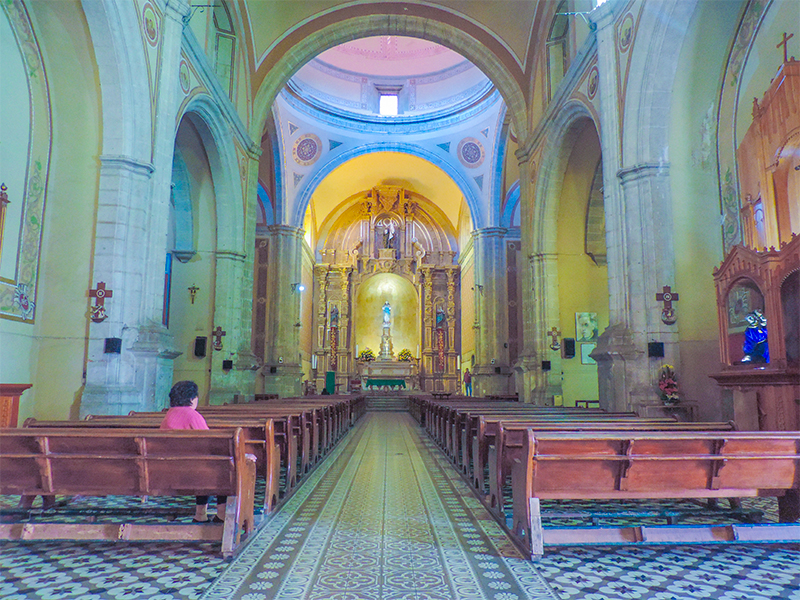
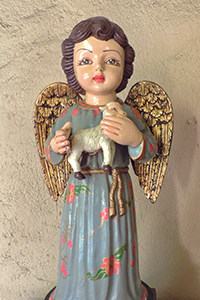
There are many churches in Oaxaca, and if you’re there on a saint’s day, you’ll hear explosions around the city as priests set off fireworks in honor of the saint. We were there on St. Valentine’s Day, and the cacophony continued day and night.
The best-known church is the Basilica de la Soledad, with an impressive 80-foot-tall Baroque façade. But its real attraction is its Virgin of Solitude, Oaxaca’s patron saint. It sits above the altar, covered with 600 diamonds and crowned with a four-pound gold crown.
The Iglesia de Santo Domingo is another ecclesiastical standout with a gilded interior that combines Baroque, Romanesque, Gothic, and Moorish styles.
It took more than 200 years to complete, with construction beginning in 1572.
Wandering on Oaxaca’s Wonderful Streets
From the Zocalo, you reach Santo Domingo by taking a 10-minute walk up Calle Macedonio Alcalá, behind the cathedral on the Zocalo. It’s a beautiful cobbled street lined with colonial-era buildings filled with government offices, as well as the occasional museum, gallery, and shop. Unlike the mostly shaded Zocalo, it’s treeless, so you’ll often keep to the shaded side in the hot midday sun regardless of the time of year.
At the plaza by the church, you find a platoon of indigenous people peddling scarves, hats, tablecloths, and numerous other items. Continue past them and explore the interesting warren of streets around the church, where you’ll find some galleries, shops, and of course, little cafés.
We came across one shop crammed to overflowing with what first appeared to be junk, until we realized many of its goods were antiques. We left with several old, colorful wooden masks used by Puerto Escondido Indians in their celebrations.
A Note About Hotels
At one time there were numerous convents and monasteries in Oaxaca, and many have since been converted into hotels because they have so many rooms. Today there are more than 200 hotels throughout the city, ranging from small and modest to major international chains.
We stayed at the Hotel Casantica (about $170 per night including breakfast for two), a former convent well located in the center of the historic district. It is comfortable and clean, with a very helpful and pleasant staff.
Our room was a bit small for two people, though others were more spacious. Its comfortable, charming patio is part of the dining area, and you’ll see artifacts from the original convent throughout the hotel.
You may also enjoy: Best Things To Do in Mexico City / Mexico: Xochimilco, Mexico City’s Little Venice / 5 Great Day Trips From Mexico City
If You Go:
Hotel Casantica
José María Morelos 601, Centro
Oaxaca
Tel: (52) (951) 516 2673
https://hotelcasantica.com/en/
Museo Rufino Tamayo
Av Morelos 503, Centro
Oaxaca
Tel: (52) (951) 516 7617
Visit Mexico / Museo Rufino Tamayo
Catedral Restaurant
García Vigil 105, Centro
Oaxaca
Tel.: (52) (951) 516 3285
https://www.facebook.com/fb-answers/catedral-restaurant-oaxaca-reviews/
In 2013 my family – five of six siblings – came together in Oaxaca City for a family reunion. Two brothers, one with his wife, flew in from LA; my sister and her three daughters, her husband and one of the girl’s beaus flew in from Paris; one brother traveled up from Lima, Peru; plus myself from Asheville, NC (our brother who lives in Texas decided not to join us as he and his wife were worried about security problems in Mexico we read so much about). We rented a house with a pool in the hills above the city, plus an apartment in a patio setting in the center of town – all secured through airb&b. We spent a week exploring every corner of the city and visited nearby Monte Alban, we saw the world;’s largest tree, el Arbol del Tule – and we just soaked up the good food, the tequila and mezcal (some consumed in the new rooftop bars), the colors, the artisans’ creations, the sun, we were serenaded poolside by a trio singing romantic boleros…a great time was had by all! Your article captures most of what we experienced, minus the mezcal. Viva Oaxaca!
Wow! And your family actually lived through all of that? You must have one strong family. And yes, Viva Oaxaca! It’s a great place.
I think Mezcal should defintely be considered as genuine part of local history and culture, you need to experience it at least once! =)
Love oaxaca. You left out the great markets a d textiles, rugs etc. Mercado benito juarez 20th de noviembre. Many many excellent restaurants my favorige being Boulenc for amazing breakfast breads and pastries
Lovely travel guide but not one of your photos showed people wearing masks. Please alert anyone traveling to Oaxaca to wear a mask and maintain social distancing while here for their protection and to protect us Oaxaqueños.
Hi K.T.
I understand what you mean about wearing masks, but it’s impossible to have all articles show people wearing masks. You’ll see, however, that every article on the site has a link to either that country’s regulations re: the pandemic, or to the CDC in the U.S. providing information on pandemic regulations in that specific country.
Also impossible to show and talk about masks when this trip was years prior to pandemic. Masks are nothing more than a placebo 🙏